
Your Guide to a Better
SW Radio Setup
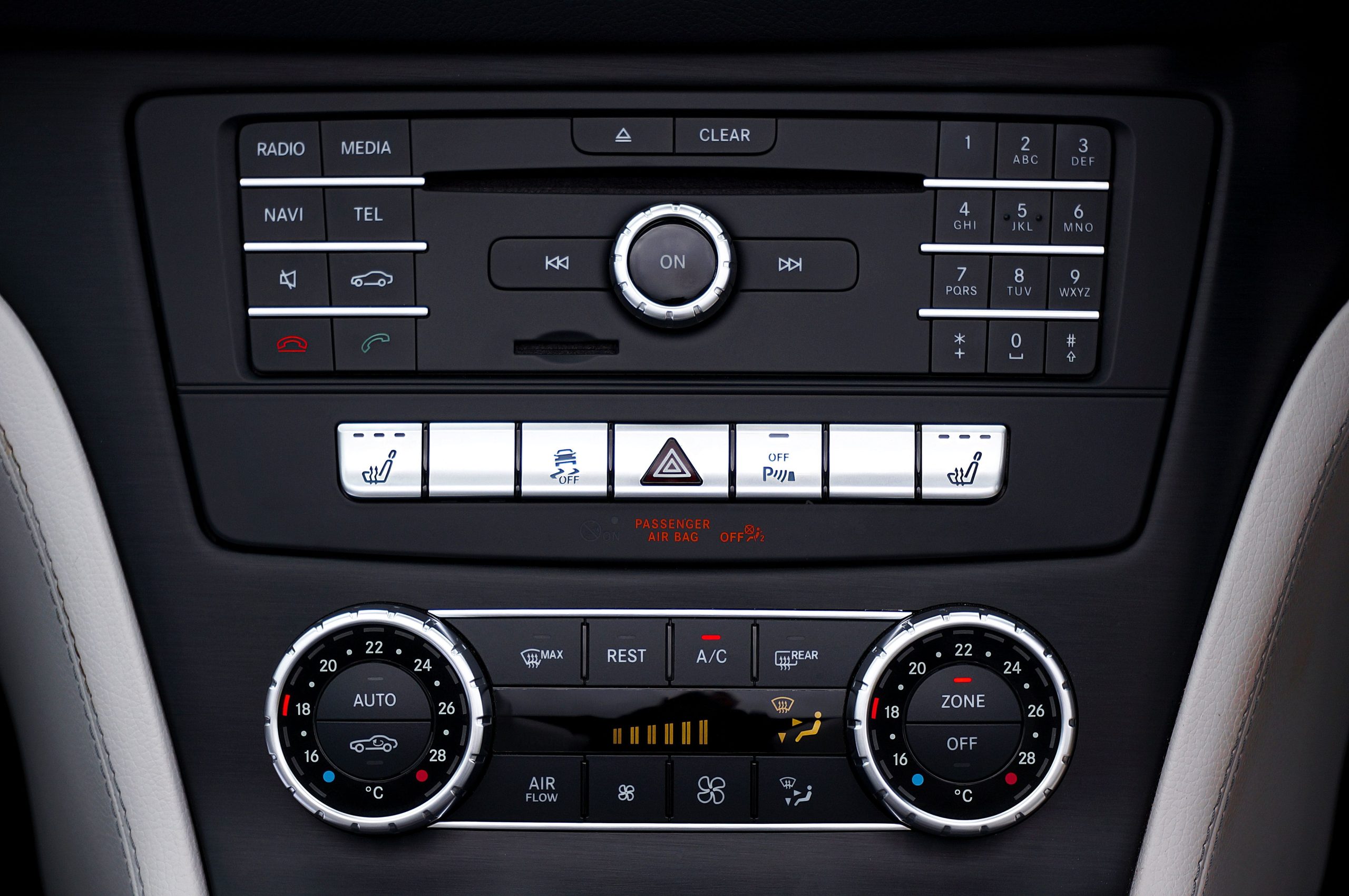
Welcome to SC Radio
A good SW radio setup can make listening more enjoyable, practical, and consistent. Whether you are setting up a receiver for the first time or improving an existing listening arrangement, the quality of your setup depends on several important factors, including the receiver, antenna, location, tuning method, surrounding environment, and listening conditions.
The purpose of this website is to provide clear and useful information about setting up and using an SW radio system. From understanding the basic components to arranging an antenna and reducing unwanted interference, each part of the setup can have an effect on overall reception.
You do not necessarily need a complicated installation to get started. A simple receiver, an appropriate antenna, a suitable power source, and a quiet listening location can provide a practical foundation. As you become more familiar with your equipment, you can make gradual improvements based on your own listening experience.
Understanding Your SW Setup
An SW setup consists of several elements that work together to receive and process radio signals. The receiver is responsible for detecting and tuning signals, while the antenna provides the connection between the surrounding radio environment and the receiver.
The location of the equipment is also important. A receiver placed in a quiet area away from unnecessary electronic noise may provide a more comfortable listening experience. Similarly, an antenna positioned in a suitable location can perform differently from the same antenna placed in a crowded indoor environment.
Time and environmental conditions can also influence reception. Signals may behave differently during daytime and nighttime, while atmospheric conditions can affect strength, clarity, and stability.
Understanding Shortwave Radio
Shortwave radio operates within a range of frequencies that can travel considerably farther than many conventional local radio signals. Under suitable atmospheric and environmental conditions, a transmission may be received hundreds or even thousands of kilometers away from its original source.
The behavior of shortwave signals is influenced by several factors. Frequency selection is important because different portions of the shortwave spectrum can behave differently during the day and at night. Atmospheric conditions, solar activity, season, location, surrounding structures, electrical interference, and antenna design can also affect reception.
For a beginner, the most important concept is that successful shortwave listening involves more than simply turning on a radio and selecting a frequency. The radio, antenna, location, time of day, and surrounding environment all work together.
A good setup starts with learning how these elements interact. Once the basics are understood, listeners can experiment with different antenna positions, frequency ranges, and listening schedules to determine what works best in their particular location.
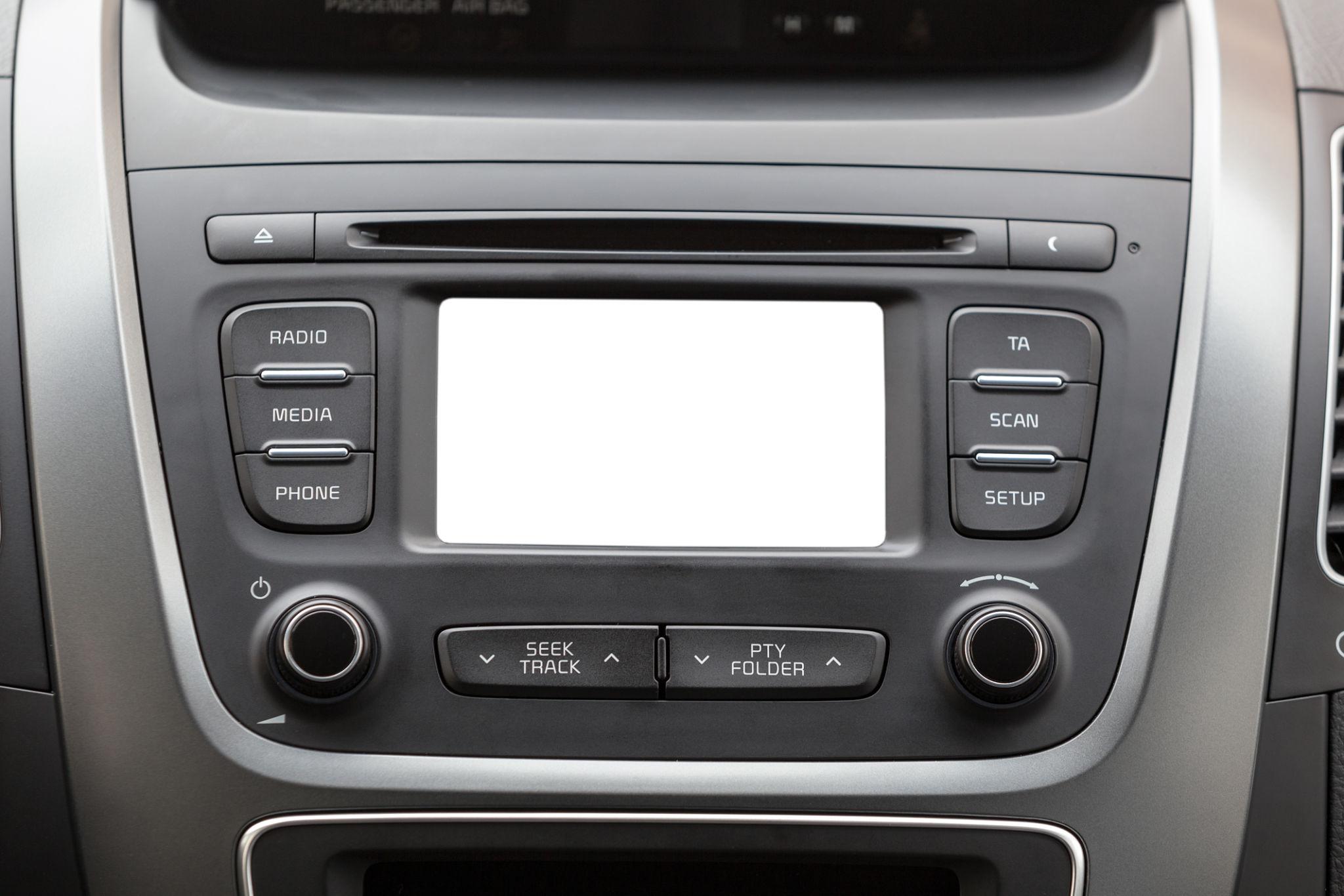
Choosing a Suitable Radio Setup
A shortwave listening setup can be as simple or advanced as the listener prefers. A basic arrangement may consist of a shortwave receiver, a suitable antenna, a power source, and headphones. More involved setups may include external antennas, signal accessories, recording equipment, grounding considerations, and additional methods for reducing interference.
When selecting equipment, it is useful to focus on practical features rather than appearance. Frequency coverage, tuning precision, display readability, sensitivity, selectivity, audio quality, antenna connectivity, power options, and ease of operation are all worth considering.
The physical environment is equally important. A radio placed close to computers, chargers, LED lighting, televisions, power adapters, or other electronic equipment may experience unwanted electrical noise. Moving the receiver or antenna away from sources of interference can sometimes make a noticeable difference.
Setting Up the Antenna
The antenna is one of the most important parts of a shortwave listening system. Even a capable receiver may perform poorly when paired with an unsuitable or badly positioned antenna.
A simple wire antenna can be useful for many listening situations. It can be arranged horizontally, vertically, or along a suitable outdoor location depending on available space and local conditions. The length, orientation, height, and surrounding objects can all influence reception.
For indoor listening, an antenna wire can sometimes be positioned near a window or along an open wall. Outdoor arrangements may provide better results because the antenna can be placed farther away from electrical devices and building materials that contribute to interference.
Can't find your Radio ID? Need help with billing, subscriptions, activation, renewals, signal issues, account access, radio transfers, or any other SiriusXM-related questions?
(877) 370-6738